
At ECACUSA, we believe advocacy is not a side activity. It is a core responsibility for organizations operating in the customer experience and contact center ecosystem. As technology evolves and regulations expand, the need for informed, coordinated industry advocacy is greater than ever.
In 2026, contact centers face rapid change across AI adoption, privacy requirements, outbound calling rules, workforce dynamics, and consumer expectations. Decisions made by regulators today will shape how organizations operate for years to come.
The Regulatory Landscape Is More Complex Than Ever
Federal and state agencies continue to issue new rules and guidance affecting contact centers. The FCC, FTC, and state regulators are actively revisiting issues such as consent, caller identification, AI accountability, data privacy, and fraud prevention.
Without industry input, regulations risk being shaped without full understanding of operational realities. Advocacy ensures policymakers hear directly from those responsible for implementing these rules at scale.
Advocacy Protects Customer Experience
Well intentioned regulations can still produce unintended consequences. Overly rigid rules may:
- Limit legitimate customer communications
- Increase wait times or service disruptions
- Reduce the effectiveness of fraud prevention
- Create confusion for customers and agents alike
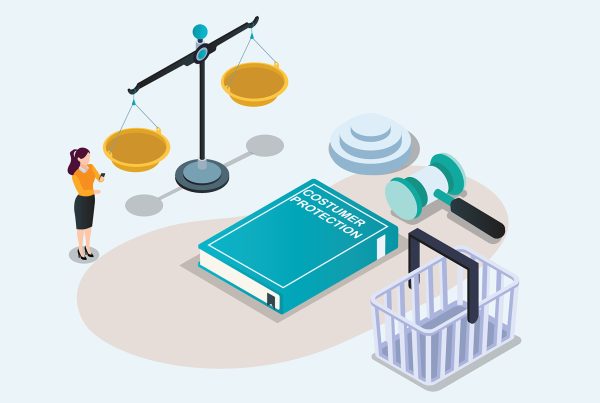
Advocacy helps align consumer protection goals with practical delivery of high quality service.
Technology Moves Faster Than Regulation
AI, automation, analytics, and digital channels evolve far more quickly than regulatory frameworks. Advocacy bridges that gap by helping regulators understand how modern contact centers actually operate.
Without industry engagement, outdated assumptions can become embedded in policy, restricting innovation or creating compliance burdens that do not improve outcomes.
Small and Mid Size Organizations Need a Voice
Large enterprises often have the resources to influence policy directly. Smaller organizations may not. Industry advocacy ensures that the perspectives of mid size and emerging contact centers are represented.
Collective advocacy levels the playing field and promotes fair, workable standards across the industry.
Advocacy Reduces Long Term Risk
Participating in rulemaking, comment periods, and industry coalitions helps organizations anticipate regulatory changes early. This reduces the risk of sudden compliance disruptions and supports better long term planning.
Advocacy is not about resisting regulation. It is about shaping regulation so it works in practice.
How Contact Centers Can Engage in 2026
Contact centers do not need to lobby directly to participate. Effective advocacy can include:
- Submitting public comments during FCC and FTC rulemaking
- Participating in industry associations and working groups
- Sharing operational data and real world examples
- Engaging with policymakers through educational forums
- Supporting organizations that advocate on behalf of the industry
Even small contributions help inform better outcomes.
The Role of ECACUSA
ECACUSA exists to amplify industry voices and provide a structured, credible channel for engagement. We monitor regulatory developments, coordinate responses, and help members understand when and how to participate.
By working together, the industry can promote regulations that protect consumers, support innovation, and enable sustainable customer experience operations.
The Bottom Line
Advocacy still matters in 2026 because regulation continues to shape how contact centers operate, innovate, and serve customers. Silence leaves decisions to others. Participation helps ensure policies are informed, balanced, and practical.
At ECACUSA, we encourage members to stay engaged, stay informed, and recognize advocacy as an investment in the future of the contact center industry.